Frequently Asked Questions

Why do you use a rotational grazing system for your chickens?
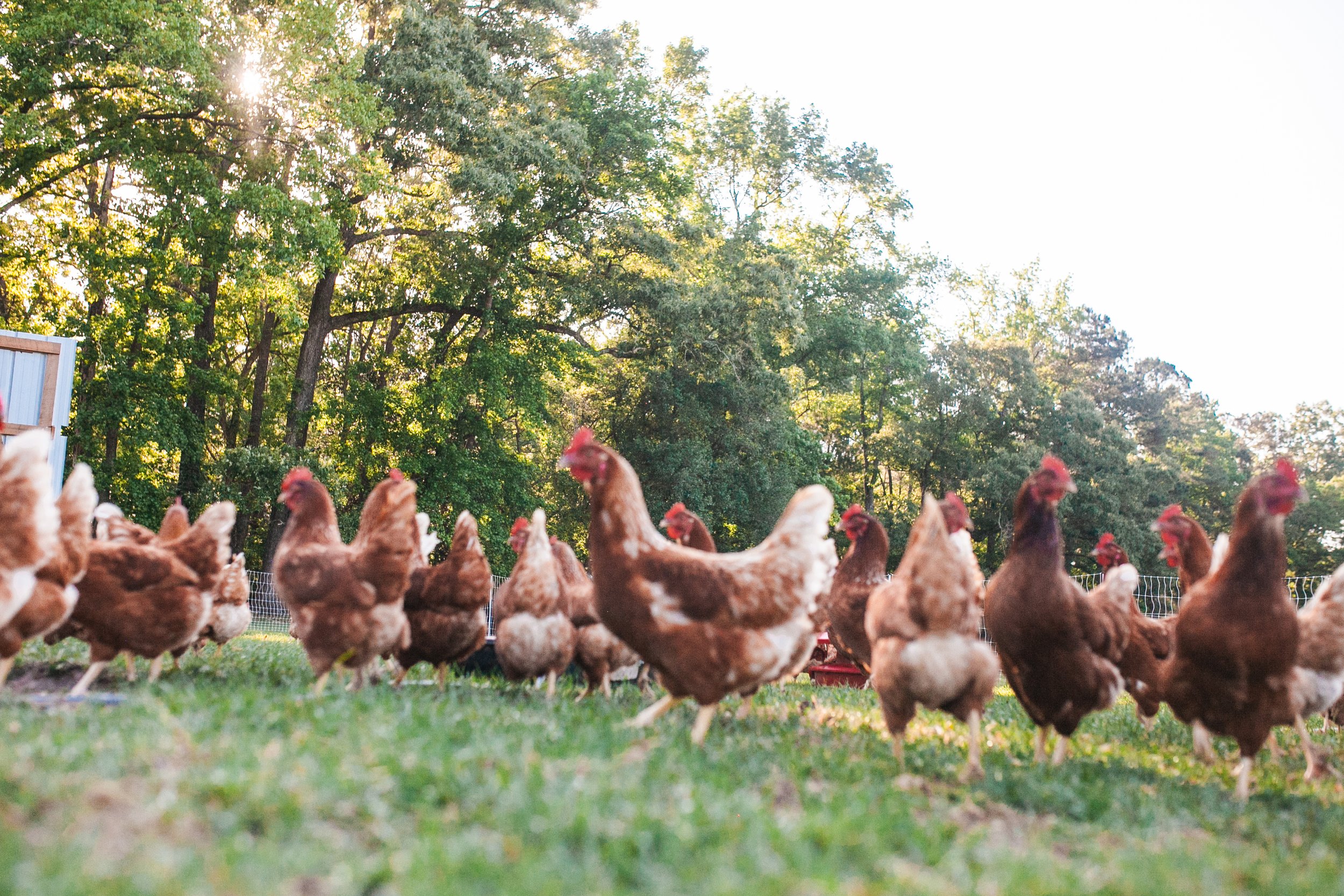
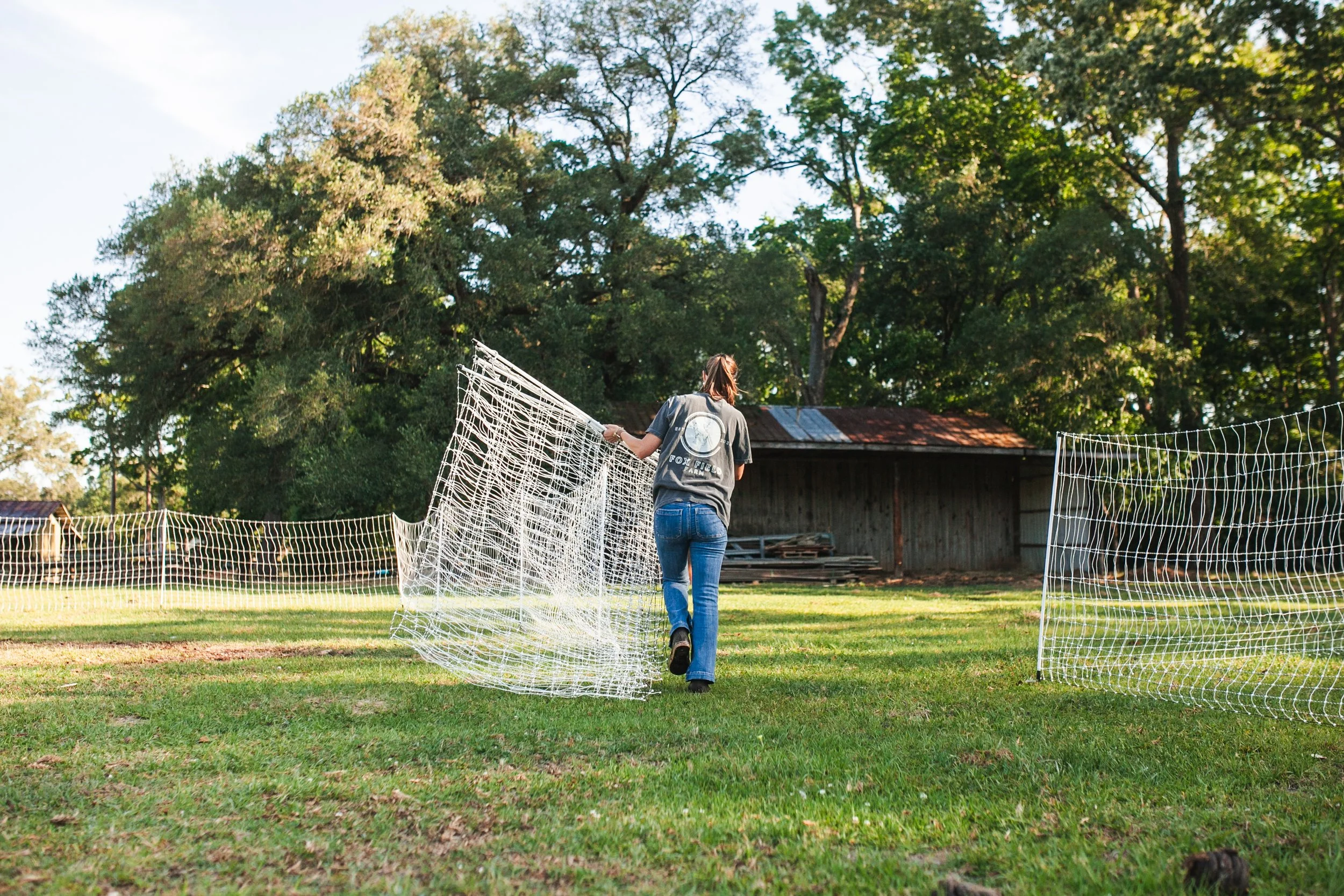
We rotate our hens frequently to different spots on pasture to ensure they always have access to fresh grass and bugs, as well as to provide rest to the land the hens were previously on. The rotation keeps the hens healthy by removing them from their manure and giving them new grass to eat, providing them with the vitamins and minerals needed for a healthy bird. The land they move from is allowed to rest and assimilate nutrition from the birds’ deposits, giving the plants time to grow and recover. In this recovery time, more carbon is sequestered from the atmosphere to feed the soil microbes leading to more abundant and nutritious grass. Frequent rotation and rest for the land ensure the birds stay healthy and disease-free.
Why is it important to feed your hens non-GMO, soy- free feed?
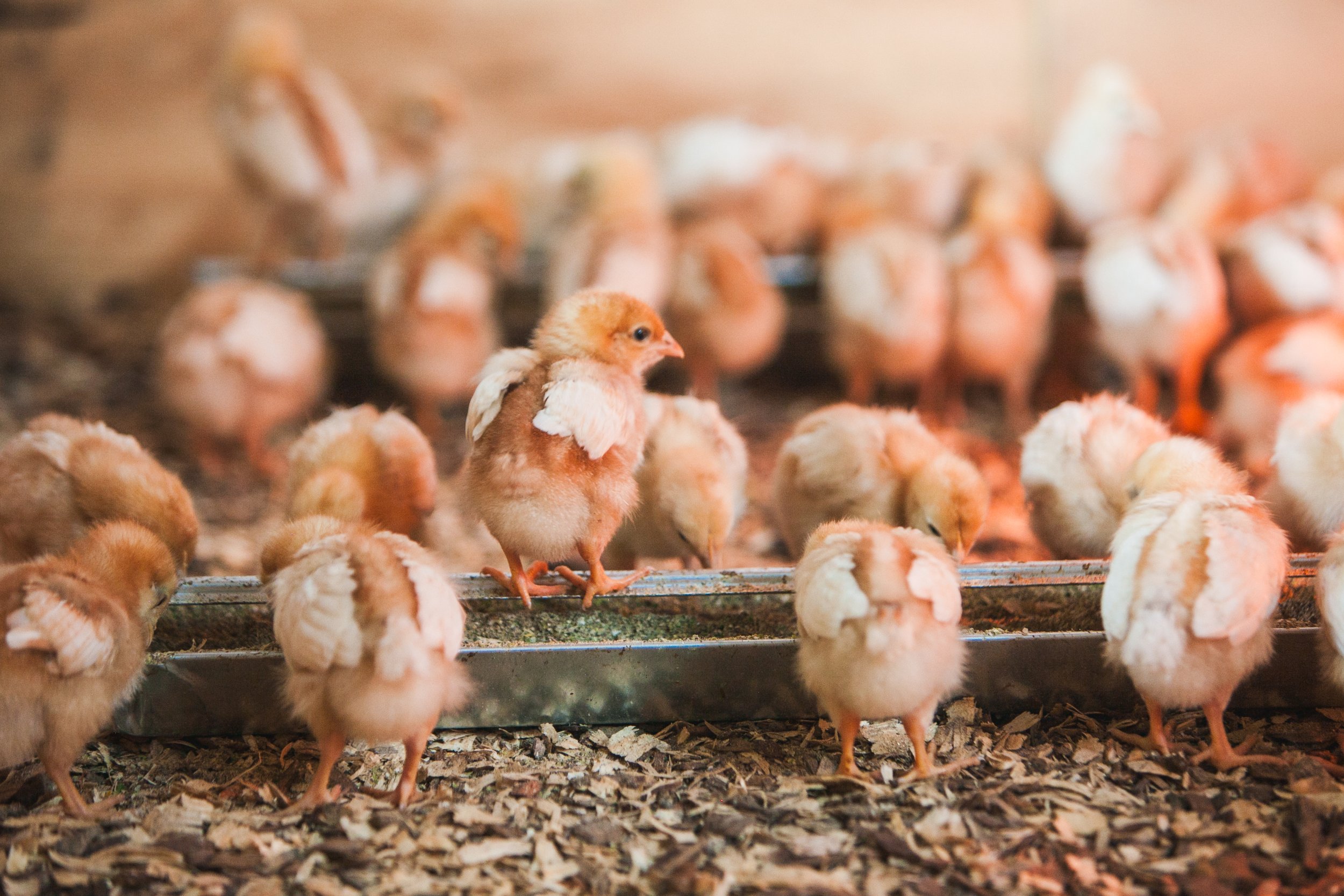
Did you know that what an animal eats affects the food you eat, too? We use certified non-GMO feed that is verified by a third party to ensure it is free of any genetically modified organisms. We use soy- free feed because soy protein is a common allergen for many and can pass into the eggs if given to hens. Soy also contains phytoestrogens, a compound that mimics estrogen in the human body and can be detrimental in excess. Eggs from chickens that are pasture-raised and fed soy- free feed have a much healthier omega 6 to omega 3 ratio of 3:1 compared to eggs from conventionally- fed chickens which is 15:1.
We get our soy-free and non-GMO project verified feed from Sunrise Farms.
What is the difference between pasture-raised hens and
conventionally-raised hens?
Conventionally-raised hens are housed in massive buildings with little room to move and virtually no access to the outdoors. These chicken houses are full of manure and ammonia which are detrimental to raising healthy, thriving birds. Pasture-raised hens are, by contrast, raised outdoors in fresh air and sunshine and have access to fresh grass and bugs - the natural environment of these animals. They are provided with a mobile chicken coop where they sleep and lay their eggs and are protected from predators at night. The best way to guarantee that the hens are cared for appropriately is to get to know your farmer. By the way, egg labels can be misleading. Grocery store eggs may be labeled “free range” or “organic”, but this does not ensure that the hens have had the same access to the outside environment that pasture-raised farms provide.
Is it really better to buy food locally?
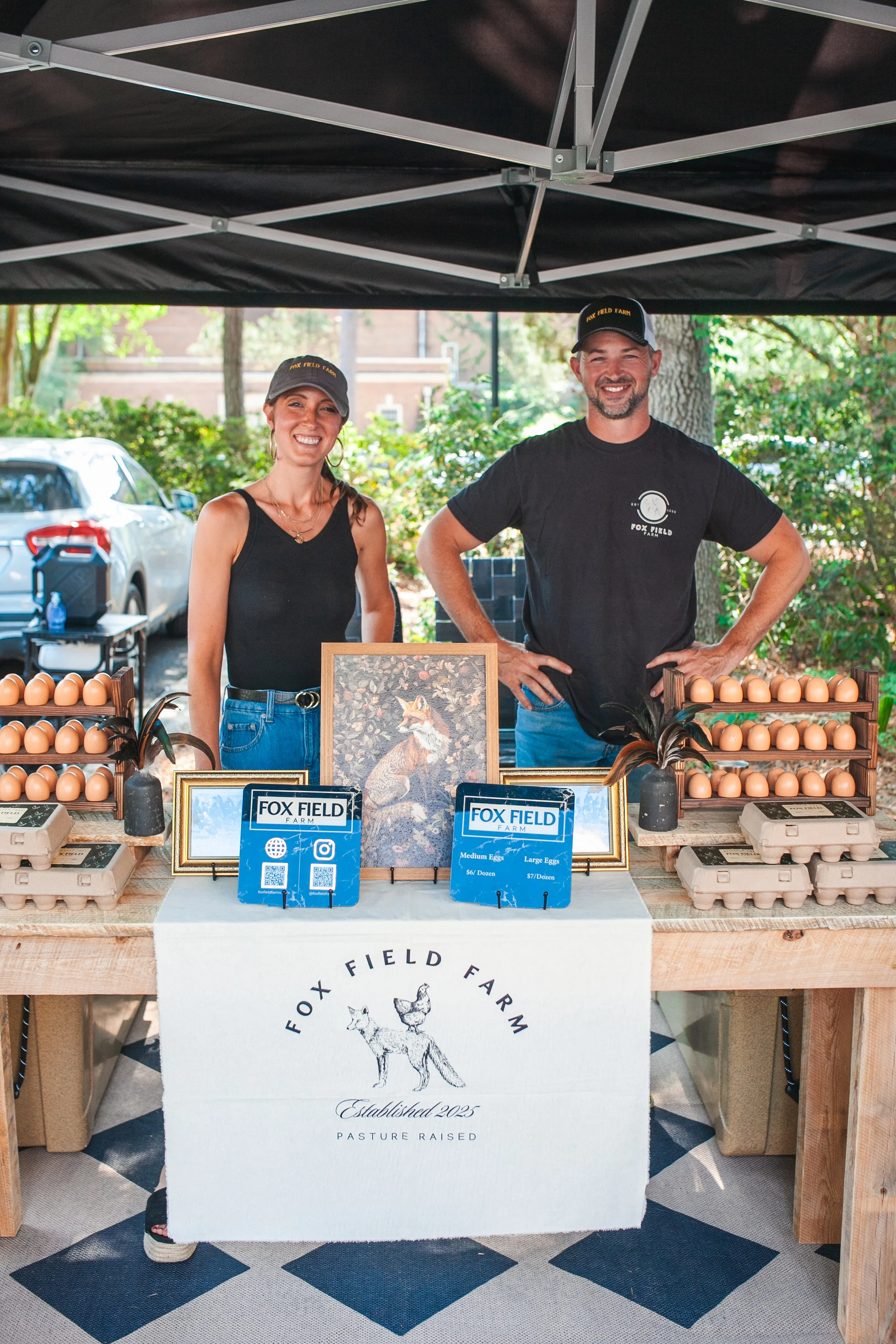
Local food is essential to a thriving community and keeps more money in the local economy rather than in the hands of large corporations which have no vested interest in the communities in which we live. Local food provides food security to the people and supports farmers who live in the community. Plus, the local taste is unparalleled as the products are bypassing long transit time giving you fresher and more nutrient-dense food.